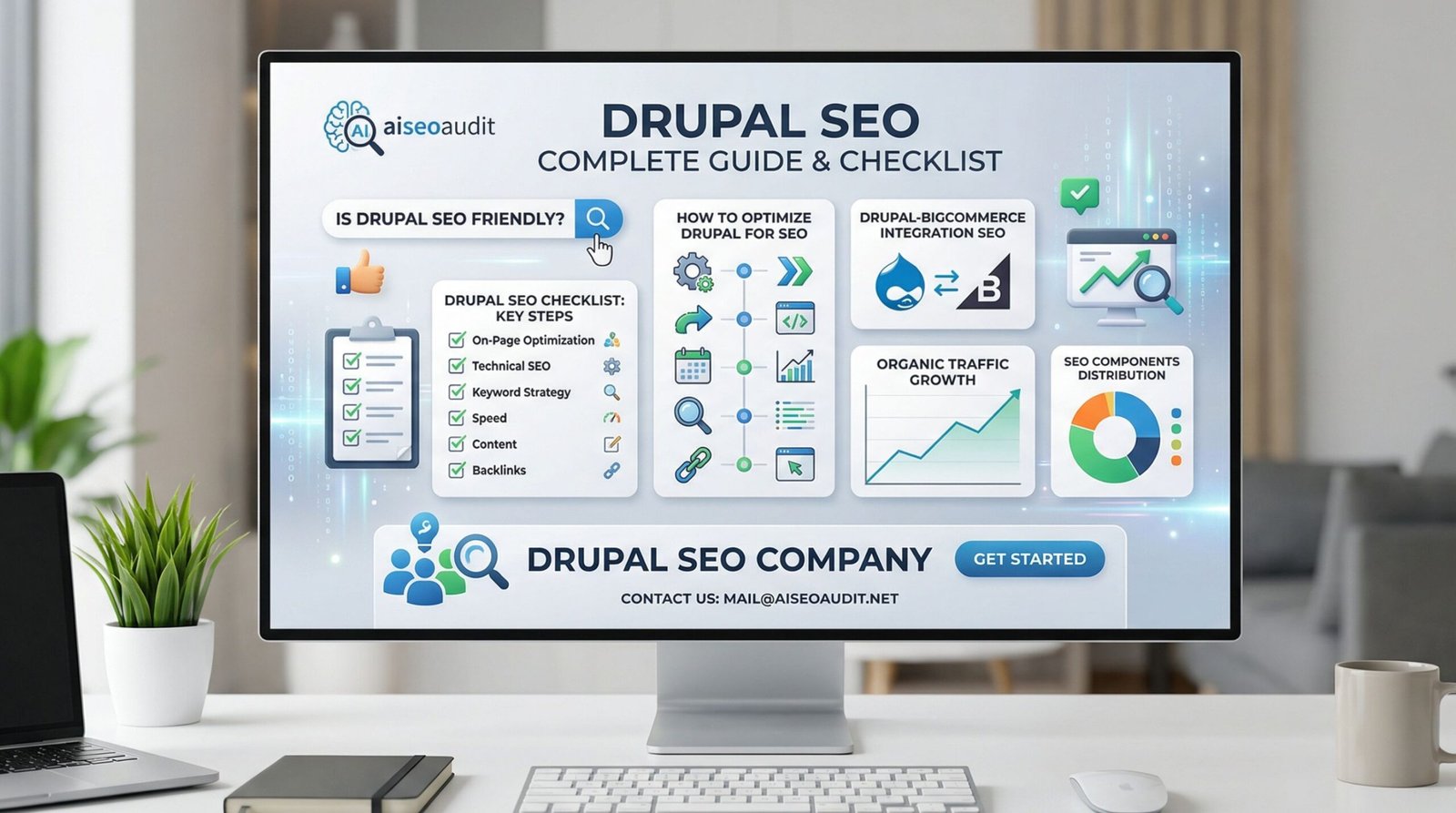
Read the most highly detailed strategies practical tips and comprehensive processes to maximize your organic visibility. Learn everything you need about search engine optimization for this robust content management system and start dominating search engine results pages today.
What is Drupal
Drupal is a highly robust open source content management system favored by enterprise organizations government entities and large scale digital platforms. It provides an incredibly flexible architecture allowing skilled developers to build complex websites featuring extreme security and extensive data management capabilities. Unlike simpler alternatives it is specifically designed to handle massive amounts of content and high traffic volumes effectively.
When we discuss drupal seo we are looking at how to leverage this specific architectural strength to maximize organic visibility. Because the platform offers granular control over taxonomy structures custom views and custom data entities optimizing a site built on this system goes far beyond simply placing keywords on a page. It requires a deep technical understanding of core configurations to ensure search engines can properly crawl index and reward your valuable content.
Drupal SEO Modules
To achieve the highest potential of seo for drupal you must install specific community contributed modules. These extensions automate critical technical requirements that search algorithms look for constantly. If you also manage other platforms you can read our comparison in the Magento SEO breakdown.
| Module Name | Primary Function | SEO Benefit |
|---|---|---|
| Pathauto | Generates clean URL aliases automatically based on node titles. | Replaces ugly numeric paths with keyword rich readable URLs. |
| Metatag | Provides granular control over metadata across the entire site. | Enables custom title tags descriptions and social graph data. |
| Simple XML Sitemap | Creates active sitemaps matching Google specifications. | Ensures immediate indexing of new or updated pages. |
| Redirect | Manages domain forwarding and broken path resolution. | Preserves link equity and eliminates frustrating dead ends. |
| Schema Metatag | Injects structured linked data into webpage headers. | Helps secure rich snippets in search engine results. |
The Complete Drupal SEO Checklist
Success demands flawless execution across all optimization pillars. Below is our exhaustive drupal seo checklist breaking down every technical creative and strategic factor you must address to achieve dominance in your industry.
1. On Page Factors Detailed Guide
Page titles optimization
Description: The title tag defines the exact topic of your document for search algorithms and appears as the main clickable link.
Guidelines: Keep text under sixty characters place your primary target phrase near the beginning and ensure absolute uniqueness across your entire domain.
Good Example:
Drupal SEO Guide Top Strategies for Growth
Bad Example:
Home Page Welcome To Our Website
Meta descriptions optimization
Description: A brief summary snippet that encourages searchers to click through to your website.
Guidelines: Write compelling copy under one hundred fifty characters including a clear call to action and relevant supporting phrases.
Good Example:
Read our comprehensive optimization guide to increase organic traffic and dominate search results today.
Bad Example:
This page is about our services contact us for more information.
H1 H2 H3 heading structure
Description: Organizing text hierarchically helps algorithms understand the context and relative importance of different sections.
Guidelines: Use exactly one H1 per page and nest subheadings sequentially without skipping levels abruptly.
Good Example:
H1 for main title followed by H2 for major sections and H3 for smaller points.
Bad Example:
Using an H4 tag directly under an H1 tag just to make the text look smaller.
URL structure clean URLs
Description: The web address path provides immediate context about the page topic to both users and web crawlers.
Guidelines: Utilize the Pathauto module to generate semantic lowercase paths that are short and descriptive.
Good Example:
website.com/services/optimization-audit
Bad Example:
website.com/node/4582?sort=asc
Keyword optimization
Description: Placing exact phrases and latent semantic indexing terms naturally within your copy establishes topical authority.
Guidelines: Maintain a natural writing style incorporating related terms without forcing exact phrases repeatedly.
Good Example:
Discussing search visibility organic traffic and web rankings naturally in paragraphs.
Bad Example:
Repeating the exact target phrase twenty times in a single short paragraph.
Image alt text and title attributes
Description: Descriptive text attached to media files allowing screen readers and search algorithms to interpret visual data.
Guidelines: Write accurate literal descriptions of the image content while weaving in relevant context.
Good Example:
Blue corporate logo displayed on a white background.
Bad Example:
picture image logo seo keyword optimization graphic.
Internal linking structure
Description: Hyperlinks pointing to other pages on your own domain distributing authority and guiding user journeys.
Guidelines: Connect topically related articles together to form deep content clusters that algorithms can easily crawl.
Good Example:
Linking from a broad guide directly to a highly specific related service page.
Bad Example:
Having hundreds of isolated blog posts with zero links between them.
Anchor text optimization
Description: The visible clickable words used in a hyperlink providing strict context about the destination page.
Guidelines: Use descriptive relevant phrases indicating exactly what the user will find when they click.
Good Example:
Read our detailed technical audit process.
Bad Example:
Click here to read more.
Content readability and structure
Description: Formatting text to ensure human visitors can easily scan consume and understand the material provided.
Guidelines: Utilize short paragraphs bulleted lists bold text and clear simple language to retain attention.
Good Example:
Breaking complex topics into numbered lists and summary boxes.
Bad Example:
Presenting massive uninterrupted walls of dense text without any formatting.
Schema markup structured data
Description: Specialized code injected into the page header that translates content directly into algorithm friendly formats.
Guidelines: Implement exact JSON LD formatting using the Schema Metatag module for articles products and reviews.
Good Example:
Applying specific recipe markup to a cooking blog post.
Bad Example:
Using product schema on a general about us page.
Canonical tags
Description: A specific HTML element preventing duplicate content issues by explicitly declaring the master version of a page.
Guidelines: Ensure every single page includes a self referencing tag unless it is a deliberate duplicate of another page.
Good Example:
Pointing all parameterized filter URLs back to the main category page.
Bad Example:
Allowing three different web addresses to index identical content independently.
Breadcrumbs implementation
Description: A secondary navigation scheme revealing the user location within the overall site hierarchy.
Guidelines: Configure visible breadcrumb paths that algorithms can track enabling rich snippet displays in search results.
Good Example:
Home > Services > Specific Service Name
Bad Example:
Hiding navigation paths completely from users deep inside the site.
Content freshness update frequency
Description: Search providers heavily favor information that is regularly revised kept accurate and completely up to date.
Guidelines: Schedule annual reviews for your most important articles to append new statistics and remove outdated facts.
Good Example:
Revising a 2023 industry report with brand new 2024 data.
Bad Example:
Leaving a pricing guide unedited for five consecutive years.
Mobile friendly content formatting
Description: Ensuring layouts fonts and media adapt perfectly to small touch screen devices automatically.
Guidelines: Use responsive CSS containers large tap targets and avoid elements that force horizontal scrolling.
Good Example:
Text paragraphs reflowing automatically to fit a narrow smartphone screen perfectly.
Bad Example:
Requiring users to pinch and zoom continuously just to read a single sentence.
Social meta tags Open Graph
Description: Specific metadata that dictates exactly how your link appears when shared across social networks.
Guidelines: Utilize the Metatag module to define custom sharing titles descriptions and high quality thumbnail images.
Good Example:
Displaying a highly relevant custom branded graphic when a link is tweeted.
Bad Example:
Social networks pulling a random broken icon because Open Graph is missing.
Pagination SEO rel next prev
Description: Managing long lists of content across multiple pages ensuring algorithms understand the sequence.
Guidelines: Implement proper sequence tags in the document head to link paginated archives together logically.
Good Example:
Clear markup showing search algorithms that page two directly follows page one.
Bad Example:
Letting crawlers treat every paginated archive list as a completely isolated duplicate page.
1. On Page SEO Factors Summary
2. Off Page Factors Detailed Guide
Backlink profile audit
Description: Evaluating the health and authority of domains currently linking to your web properties.
Guidelines: Regularly monitor incoming links utilizing trusted software to identify and isolate potentially harmful spam connections.
Good Example:
Identifying and protecting highly valuable links from major industry publications.
Bad Example:
Ignoring thousands of sudden toxic foreign links pointing to your homepage.
Quality backlinks acquisition
Description: The process of earning authoritative external links to increase overall domain trust and ranking power.
Guidelines: Focus entirely on producing exceptional original research or tools that naturally attract citations.
Good Example:
Earning a natural link from a respected university resource page.
Bad Example:
Purchasing massive bundles of automated forum links illegally.
Anchor text diversity
Description: Ensuring external domains link to you using a natural varied mix of phrases.
Guidelines: Maintain a healthy ratio blending brand names raw URLs and descriptive terms logically.
Good Example:
A healthy mixture of branded and topically relevant linked phrases.
Bad Example:
Every single backlink uses the exact same highly competitive target keyword.
Social signals integration
Description: Active engagement metrics across major social platforms indicating content resonance and broad popularity.
Guidelines: Promote valuable articles organically encouraging genuine discussion among industry professionals.
Good Example:
A detailed guide generating massive legitimate discussion on professional networking sites.
Bad Example:
Artificially inflating share metrics utilizing automated bot accounts.
Guest posting strategy
Description: Publishing high quality articles on external authoritative websites within your specific industry niche.
Guidelines: Only collaborate with strict highly respected publications offering genuine value to their audience.
Good Example:
Writing an exclusive expert column for a prominent business journal.
Bad Example:
Submitting extremely thin low effort text to generic free article directories.
Influencer outreach
Description: Building relationships with recognized leaders to amplify content visibility and secure trusted mentions.
Guidelines: Establish genuine connections by providing value before requesting shares or promotional assistance.
Good Example:
Collaborating extensively with an expert on a joint industry data study.
Bad Example:
Sending identical automated mass emails demanding instant link placement.
Brand mentions monitoring
Description: Tracking instances where external sites mention your company name without providing a clickable link.
Guidelines: Use automated alerts to identify mentions and politely request editors append a link to your domain.
Good Example:
Successfully turning a news article mention into a highly authoritative backlink.
Bad Example:
Allowing massive media publications to discuss your brand without securing link credit.
Forum and community engagement
Description: Participating genuinely in specialized discussion boards establishing topical authority and trust.
Guidelines: Focus entirely on solving user problems extensively rather than dropping promotional links aggressively.
Good Example:
Writing a comprehensive solution to a highly complex user question naturally.
Bad Example:
Creating blank profiles purely to paste a link into completely unrelated threads.
Local citations NAP consistency
Description: Managing business listings ensuring absolute uniformity across all directory platforms globally.
Guidelines: Maintain identically matched business name address and phone data across all possible internet registries.
Good Example:
Perfectly synced location information matching your website precisely everywhere.
Bad Example:
Displaying three completely different past office addresses on various mapping services.
Review and reputation management
Description: Handling public customer feedback to build immense trust with both algorithms and future clients.
Guidelines: Proactively encourage satisfied users to leave reviews while responding constructively to all negative feedback.
Good Example:
Addressing a client complaint professionally publicly resolving the underlying issue.
Bad Example:
Arguing aggressively with unhappy customers or ignoring terrible ratings completely.
2. Off Page SEO Factors Summary
3. Technical Factors Detailed Guide
Site speed optimization caching
Description: Reducing code weight and implementing caching layers to dramatically decrease loading times.
Guidelines: Enable advanced caching compress media assets completely and minify all styling scripts.
Good Example:
Heavy complex pages becoming completely interactive in under two seconds.
Bad Example:
Forcing users to wait ten seconds while uncompressed heavy graphics download.
Mobile responsiveness design
Description: Structuring source code to adapt natively to small screens tablet displays and desktop monitors.
Guidelines: Build strictly using responsive cascading style sheets ensuring perfect functionality across all devices.
Good Example:
Navigation menus converting cleanly into accessible touch friendly buttons on phones.
Bad Example:
Desktop layouts forced onto tiny screens obscuring core text completely.
SSL and HTTPS implementation
Description: Forcing secure encrypted connections ensuring data privacy between the browser and web server.
Guidelines: Install active certificates and route all possible domain variations immediately to the secure protocol.
Good Example:
A padlock icon displaying perfectly indicating total site security compliance.
Bad Example:
Browsers warning users that your domain is incredibly unsafe to visit.
XML sitemap submission
Description: A machine readable map providing clear indexing instructions directly to search crawler bots.
Guidelines: Use dedicated modules to generate active maps linking exclusively to highly valuable content.
Good Example:
Automatically updating map files submitted straight to Google Search Console.
Bad Example:
Uploading static outdated maps containing thousands of broken dead addresses.
Robots text optimization
Description: A plain text file dictating exactly which site sections algorithms are permitted to scan.
Guidelines: Block crawler access to administrative panels secure user areas and internal search query results.
Good Example:
Conserving index budget by completely restricting hidden backend login directories.
Bad Example:
Accidentally blocking all search engines from crawling the entire domain entirely.
301 and 302 redirects setup
Description: Server commands forwarding traffic seamlessly from deleted web addresses to current active ones.
Guidelines: Always utilize permanent forwarding rules to preserve previous authority when changing web addresses.
Good Example:
Smoothly routing an old discontinued service page to a brand new relevant alternative.
Bad Example:
Relying constantly on temporary forwarding confusing search indexes over long periods.
404 error handling custom page
Description: The specific response presented when visitors attempt accessing addresses that no longer exist.
Guidelines: Design custom layouts featuring search bars and navigation links to retain lost visitors effectively.
Good Example:
A branded highly helpful error screen suggesting popular related content links.
Bad Example:
A generic blank white screen showing a highly confusing server configuration error.
Accelerated Mobile Pages
Description: Stripped down HTML formatting designed exclusively to render instantly on cellular network connections.
Guidelines: Implement strict markup protocols specifically for high volume publishing or news oriented blogs.
Good Example:
News articles loading instantaneously straight from cached mobile search results pages.
Bad Example:
Applying restrictive code perfectly breaking complex interactive features on corporate tools.
Drupal modules optimization
Description: Core platform extensions required to automate technical compliance accurately.
Guidelines: Install update and correctly configure Pathauto Metatag Redirect and robust Site map tools.
Good Example:
Automating address generation cleanly using predefined category title patterns flawlessly.
Bad Example:
Running severely outdated deprecated extensions causing massive security database vulnerabilities.
Lazy loading implementation
Description: Delaying the rendering of offscreen graphics strictly until users scroll down the page natively.
Guidelines: Apply correct loading attributes natively to massively decrease initial rendering time blockages.
Good Example:
Text rendering instantly while bottom graphics await active user scrolling actions.
Bad Example:
Forcing completely hidden footer elements to download fully before displaying headers.
JavaScript SEO checks
Description: Ensuring complex scripts do not block crawler algorithms from reading your main body text.
Guidelines: Render extremely critical content server side ensuring core data remains absolutely accessible always.
Good Example:
Using dynamic scripts purely for interactivity while keeping core text heavily static.
Bad Example:
Hiding primary paragraph content inside scripts that algorithms repeatedly fail interpreting.
Duplicate content prevention
Description: Eliminating repetitive identical information existing simultaneously across multiple different web addresses natively.
Guidelines: Enforce strict taxonomy settings utilizing redirect rules immediately when exact duplication occurs.
Good Example:
Consolidating three identical articles systematically down to one highly authoritative piece.
Bad Example:
Generating hundreds of identical tag pages constantly wasting valuable algorithm crawl time.
hreflang tag implementation
Description: Essential markup explicitly declaring exactly which language variations target specific geographical regions perfectly.
Guidelines: Match specific translated content accurately to correct geographic regions resolving international indexing conflicts.
Good Example:
Presenting localized Spanish text directly to users searching actively from Mexico natively.
Bad Example:
Creating massive duplicate content penalties by failing entirely to specify country codes.
Pagination canonical handling
Description: Directing algorithms appropriately when long category lists split naturally across multiple consecutive screens.
Guidelines: Allow paginated series indexing individually ensuring deep items remain absolutely discoverable consistently.
Good Example:
Self referencing canonicals perfectly placed on every single page inside the sequence.
Bad Example:
Pointing all list sequence pages incorrectly back to the primary category main page.
Structured data JSON LD
Description: Injecting literal semantic metadata into website headers defining specific organizational entities completely.
Guidelines: Generate completely error free syntax explicitly highlighting events corporate data and local business information.
Good Example:
Achieving highly visible rich snippet star ratings right inside regular search results visually.
Bad Example:
Implementing severely broken syntax entirely preventing search providers from processing your schema.
Crawl budget optimization
Description: Managing the exact amount of resources algorithms spend analyzing your domain structure intensely.
Guidelines: Ensure server speeds remain optimal blocking useless filter parameters completely from indexing mechanisms.
Good Example:
Bots analyzing purely high value informational articles deeply rather than worthless system paths.
Bad Example:
Algorithms wasting enormous computational power scanning tens of thousands of duplicate empty tags.
Core Web Vitals tracking
Description: Crucial verified metrics calculating load responsiveness interactivity delays and layout shifting instantly.
Guidelines: Monitor absolute layout stability preventing elements from shifting suddenly while text content renders fully.
Good Example:
Achieving perfectly stable green scores across all primary metrics measured reliably through tools.
Bad Example:
Graphics loading late causing severe annoying content jumps frustrating users trying to read.
CDN integration caching
Description: Distributing massive media files worldwide utilizing interconnected globally positioned high speed servers directly.
Guidelines: Offload all heavy resources successfully drastically reducing the total burden completely on origin servers.
Good Example:
European visitors loading massive files instantaneously natively from local regional server centers flawlessly.
Bad Example:
International visitors suffering awful lag loading content entirely from one single distant machine.
3. Technical SEO Factors Summary
4. AI and LLM SEO Detailed Guide
AI generated content optimization
Description: Leveraging machine learning to scale text production while rigorously verifying facts and readability.
Guidelines: Always edit automated text heavily adding unique human perspective and strict factual verification.
Good Example:
Using algorithms purely to outline structure while writing the actual expert paragraphs manually.
Bad Example:
Publishing completely raw unedited machine text containing massive factual hallucinations directly.
Semantic keyword clustering
Description: Grouping thousands of closely related search phrases logically using advanced natural language processors.
Guidelines: Organize website categories around broad topic clusters rather than extremely isolated single phrases.
Good Example:
One comprehensive guide thoroughly covering all possible related questions simultaneously.
Bad Example:
Creating fifty thin pages completely identical except for one single localized noun.
Content topic modeling
Description: Analyzing exactly which interconnected entities search providers expect to see naturally alongside main subjects.
Guidelines: Ensure comprehensive coverage by discussing all logical subtopics algorithms associate strongly together.
Good Example:
Including related software names and concepts naturally when writing a technical guide.
Bad Example:
Ignoring entirely what concepts the top competitors discuss successfully right now.
Predictive content trends analysis
Description: Utilizing algorithms strictly to forecast emerging search volumes before competitors notice them.
Guidelines: Publish informational articles responding quickly to breaking industry trends establishing early authority.
Good Example:
Releasing a completely optimized guide answering questions regarding a brand new algorithm update.
Bad Example:
Waiting rigidly for outdated monthly metrics before discussing obviously trending important topics.
LLM content gap analysis
Description: Feeding entire website structures directly into models revealing exactly what valuable information remains missing.
Guidelines: Systematically produce exactly the specific articles algorithms suggest would highly benefit your users.
Good Example:
Identifying and answering highly specific user questions competitors failed completely to address.
Bad Example:
Blindly guessing what users want without analyzing actual data patterns systematically.
Chatbot LLM integration for FAQs
Description: Embedding intelligent conversational agents completely trained directly on your internal website database.
Guidelines: Ensure automated answers provide accurate information linking directly deeply into relevant articles.
Good Example:
A smart assistant accurately solving user problems pointing exactly to correct service pages.
Bad Example:
An improperly trained tool generating fake nonexistent links leading absolutely nowhere.
AI assisted meta descriptions
Description: Scaling the rapid creation of highly compelling metadata perfectly across massive enterprise websites.
Guidelines: Use tools strictly to draft variations quickly ensuring humans ultimately select the strongest version.
Good Example:
Generating five unique highly engaging variations rapidly before choosing the absolute best.
Bad Example:
Auto publishing completely generic boring text across thousands of specific product pages.
AI based internal linking suggestions
Description: Using algorithms strictly to detect highly relevant contextual opportunities across large text databases.
Guidelines: Review software recommendations manually inserting links exclusively where they genuinely assist users.
Good Example:
Discovering a highly logical forgotten connection bridging two completely related old articles.
Bad Example:
Allowing software to blindly inject identical anchor text links absolutely everywhere randomly.
User intent optimization insights
Description: Analyzing massive search behavior patterns explicitly determining what visitors genuinely hope to accomplish.
Guidelines: Match document formats perfectly to goals providing data if users want research or buttons if they want purchases.
Good Example:
Creating a completely practical calculator directly answering a strongly transactional search phrase.
Bad Example:
Writing a completely irrelevant philosophy essay when users clearly seek an immediate download.
Sentiment and engagement analysis
Description: Measuring emotional tone strictly through language models determining how positively audiences react naturally.
Guidelines: Adjust brand messaging carefully based on detailed algorithm reports indicating public frustration or confusion.
Good Example:
Rewriting highly confusing technical manuals after algorithms detect severe rising user frustration.
Bad Example:
Completely ignoring critical reports identifying extremely hostile reactions toward brand changes.
4. Artificial Intelligence and LLM SEO Summary
Review our extensive AI LLM SEO Audits page for deeper insights into machine learning implementations.
5. Link Audits Detailed Guide
Internal link audit and optimization
Description: Routinely inspecting how pages securely connect within your own domain architecture.
Guidelines: Regularly run comprehensive checks ensuring primary valuable articles receive sufficient internal links.
Good Example:
Identifying and resolving isolated important articles actively by adding internal connections.
Bad Example:
Never analyzing internal authority distribution creating severe indexing blockages universally.
Broken link detection and fixes
Description: Identifying and restoring hyperlinks pointing to missing or non existent web pages.
Guidelines: Run deep frequent automated scans removing broken pathways that harm user experience.
Good Example:
Updating outdated addresses pointing directly to highly relevant new content.
Bad Example:
Forcing frustrated visitors into dead error screens.
External link quality check
Description: Rigorously evaluating the absolute trustworthiness of domains linking to your website.
Guidelines: Utilize highly reliable measurement tools to prevent severe domain toxicity issues.
Good Example:
Routinely checking incoming links and disavowing horrible irrelevant spam sites.
Bad Example:
Allowing thousands of irrelevant spam domains to safely access your site structure.
Redirect chains and loops detection
Description: Preventing situations where addresses bounce endlessly before reaching the final destination.
Guidelines: Simplify your routing rules to establish direct paths accurately for all users and crawlers.
Good Example:
Directing old addresses straight to their final ultimate destinations in one single hop.
Bad Example:
Creating massive routing chains that severely slow down page loading times.
NoFollow and DoFollow optimization
Description: Managing how your website passes authority to external domains.
Guidelines: Use restrictive tags on user generated content or unverified external domains.
Good Example:
Applying restrictive tags to comments and sponsored placements.
Bad Example:
Passing full authority to completely unverified third party websites.
Anchor text diversity check
Description: Monitoring the specific words used by other websites when they link to you.
Guidelines: Ensure your inbound links use a natural mix of brand names and descriptive phrases.
Good Example:
A healthy profile featuring your company name alongside relevant industry terms.
Bad Example:
Every single inbound link using the exact same highly competitive search phrase.
Orphan pages identification
Description: Locating website pages that have zero internal links pointing to them.
Guidelines: Integrate these isolated pages into your main navigation or category structures.
Good Example:
Finding a lost blog post and linking to it from a newer related article.
Bad Example:
Publishing great content but failing to link to it from anywhere else on the site.
Backlink monitoring and toxic link removal
Description: Continuously tracking your inbound links to identify and remove harmful connections.
Guidelines: Use auditing tools to find spam networks and submit disavow files to search providers.
Good Example:
Proactively identifying a negative link attack and disavowing the bad domains quickly.
Bad Example:
Allowing thousands of spam directory links to drag down your overall domain trust.
Outbound link relevancy and authority
Description: Evaluating the relevance and trustworthiness of external websites that you link to from your own content.
Guidelines: Always verify that outbound destinations are highly respected industry resources providing genuine value.
Good Example:
Linking directly to original data studies from respected university domains or official government portals.
Bad Example:
Pointing users toward low quality spam directories or completely unrelated commercial websites.
Sitemap link validation
Description: Ensuring your submitted XML files contain only functional and indexable addresses.
Guidelines: Test your maps regularly to remove broken links or pages blocked by server rules.
Good Example:
Maintaining a clean file containing only active destination pages that return a proper success code.
Bad Example:
Uploading massive files filled with dead links and redirected paths.
5. Link Audits Summary
Drupal SEO Tools
Managing a massive enterprise site requires highly robust analytical software. While the CMS itself provides the foundation external monitoring ensures your strategy remains highly effective and competitive over time. Industry experts consistently refer to specialized software as shown by professionals at Ahrefs and Moz.
Google Search Console
Absolutely vital for monitoring core web vitals and checking exact indexing status directly from Google.
Ahrefs
Perfect for meticulously tracking backlink profiles and analyzing competitor keyword strategies.
Screaming Frog
An essential desktop crawler utilized to quickly find hidden duplicate paths and broken links.
SEMrush
A comprehensive suite ideal for content optimization audits and overall domain health tracking.
Drupal vs WordPress seo
When comparing seo in drupal to WordPress the conversation usually centers on technical capabilities versus beginner friendliness. WordPress relies heavily on external plugins to manage basic optimization tasks. While this makes it very easy for new users it can eventually lead to severe database bloat and slow loading times as the website grows larger.
Drupal on the other hand requires more technical expertise initially but provides significantly more native control over your architecture. Its built in taxonomy systems and advanced caching mechanisms make it the superior choice for massive enterprise websites requiring peak performance and highly granular search optimization.
Drupal vs Other CMS Platforms
When evaluating seo in drupal against other platforms the conversation almost always centers on complexity versus capability. If your digital strategy relies heavily on complex content structures intense multilingual requirements and uncompromising performance metrics Drupal remains the undisputed industry leader.
| CMS Platform | Primary Use Case | SEO Flexibility | Technical Skill Needed | Performance at Scale |
|---|---|---|---|---|
| Drupal | Large enterprise portals and government systems | Exceptional custom structures and complete metadata control | High requires developer knowledge | Excellent handles massive databases gracefully |
| WordPress | Blogs small business and general websites | Very Good heavily reliant on third party plugins like Yoast | Low extremely beginner friendly | Moderate requires severe optimization to avoid bloat |
| Magento | Massive commerce catalogs | Excellent for product structured data and variations | Very High complex server management | Excellent designed exclusively for commerce loads |
| Shopify | Rapid online retail deployment | Moderate fixed URL structures limit deep technical changes | Low hosted solution | Very Good managed by Shopify servers directly |
| Joomla | Mid sized community and networking sites | Good decent native capabilities | Medium steeper curve than WordPress | Good stable for medium complexity |
| Webflow | Design focused agency websites | Good clean code generation and easy visual management | Medium requires design logic understanding | Very Good hosted architecture |
Optimizing Drupal BigCommerce Integrations
Many enterprise organizations choose a headless commerce approach combining the robust content management features of this platform with the transactional engine of BigCommerce. Executing perfect seo for drupal in this hybrid environment presents unique challenges but offers massive rewards.
Integrating Data Effectively
The key to success in a decoupled setup is ensuring that product information flows smoothly and is rendered server side. Search crawlers struggle with content loaded purely via JavaScript. By utilizing synchronization modules you can import BigCommerce products as native nodes. This allows you to leverage the full power of the Metatag and Pathauto modules to create perfectly optimized product pages.
Structured Data for Products and Reviews
Ecommerce visibility relies heavily on rich snippets. You must implement robust product schema markup. This code feeds search providers exact details about your products including price availability aggregate ratings and user reviews. When configured correctly your listings will stand out visually in search results drastically increasing your click through rates and driving highly qualified buyers to your store.
Advanced Techniques for Market Dominance
Once you have completed the basic drupal seo checklist it is time to deploy advanced strategies that will set you apart from your competitors. The experts at Search Engine Journal constantly emphasize the importance of deep technical mastery for highly competitive niches.
Extreme Page Speed Optimization
The core web vitals update from Google made speed a critical ranking factor as detailed in the Google SEO Starter Guide. Implementing lazy loading for images ensures pictures only download when they enter the user screen area. Combining and minifying cascading style sheets and JavaScript files reduces the number of server requests. Enabling aggressive caching policies will make your pages load almost instantaneously.
Impact of Optimization on Page Speed Scores
Scores represent Google PageSpeed Insights performance metrics on mobile devices.
Frequently Asked Questions
How to optimize Drupal website for SEO?
To optimize a Drupal website for search engines you need to install essential modules like Pathauto for clean URLs Metatag for meta descriptions and XML Sitemap. Additionally ensure your site has a responsive design fast loading speed and high quality content targeted around your primary keywords.
How to optimize a Drupal BigCommerce website for SEO?
Optimizing a combined Drupal and BigCommerce setup requires ensuring proper synchronization of product data. You should use structured data for products optimize product page metadata through Drupal manage canonical URLs to prevent duplicate content and create robust internal linking between your blog and ecommerce products.
Is Drupal SEO friendly?
Yes Drupal is highly SEO friendly right out of the box. Its flexible architecture allows developers to control every aspect of the site structure URLs caching and content taxonomy making it an excellent choice for large enterprise websites looking to dominate search engine results.
What are the best modules for seo for drupal?
The absolute essential modules include Pathauto Metatag XML Sitemap Simple XML Sitemap Redirect and Schema Metatag. These tools help automate critical search engine optimization tasks and ensure your site communicates effectively with web crawlers.
How long does it take to see results from seo in drupal?
Typically seeing noticeable improvements from your search engine optimization efforts takes anywhere from three to six months. This timeline depends on your industry competitiveness current domain authority and the consistency of your content strategy and technical enhancements.
Can I do drupal seo on my own?
While basic search optimization tasks like writing content and adding meta descriptions can be done independently the technical nature of Drupal often requires professional expertise for advanced configurations module setup and server side performance tuning.
How to handle duplicate content in Drupal?
Duplicate content can be resolved by utilizing the Redirect module to consolidate URLs implementing canonical tags through the Metatag module and ensuring your taxonomy terms do not create redundant paths for the same content.
What is the role of Pathauto in drupal seo?
Pathauto is crucial because it automatically generates search engine friendly URLs based on the title of your content and its category structure. This eliminates the need for manual URL creation and ensures consistency across your entire website.
Does site speed affect seo in drupal?
Absolutely. Site speed is a confirmed ranking factor. A slow website will frustrate users leading to high bounce rates. Optimizing caching enabling BigPipe utilizing content delivery networks and compressing images are vital steps for success.
Why should I hire an AI SEO Agency for my Drupal site?
An agency brings specialized knowledge in handling complex enterprise architectures. They can conduct deep technical audits implement advanced structured data resolve intricate code issues and build a customized roadmap that guarantees better visibility and increased organic traffic. Visit our AI SEO Agency page to read more.
Partner With Our Drupal SEO Company
Stop losing traffic to your competitors and start turning your website into a highly effective lead generation engine today. Reach out to our expert team for a comprehensive audit.
We reply within 24 hours. Request your comprehensive technical audit now.